Individual assessment
Raised, red or unstable scars may not be suitable and can require medical review.
 SMP GREECESCALP MICROPIGMENTATION
FUE & FUT scar camouflage
SMP can reduce the contrast between healed scar tissue and surrounding hair by recreating the appearance of follicle shadows.
Private consultation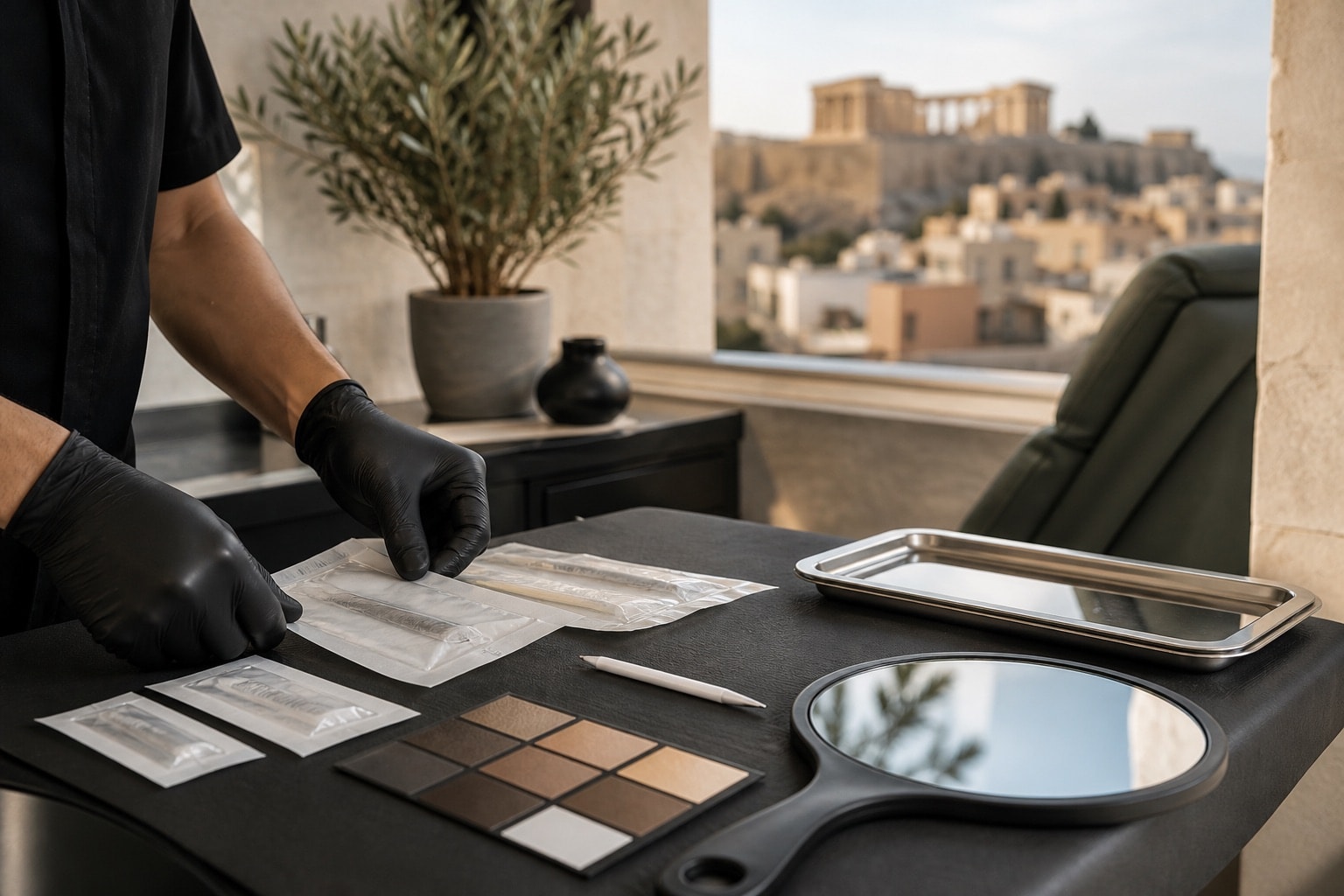
Our approach
Every scar behaves differently. We assess texture, colour and maturity before recommending a scar-specific plan. Treatment is considered only once scar tissue is fully healed.
Raised, red or unstable scars may not be suitable and can require medical review.
Tone and placement are planned around the scar itself; inter-graft density after transplant is assessed separately.
Scar tissue can retain pigment differently, so we build coverage gradually.
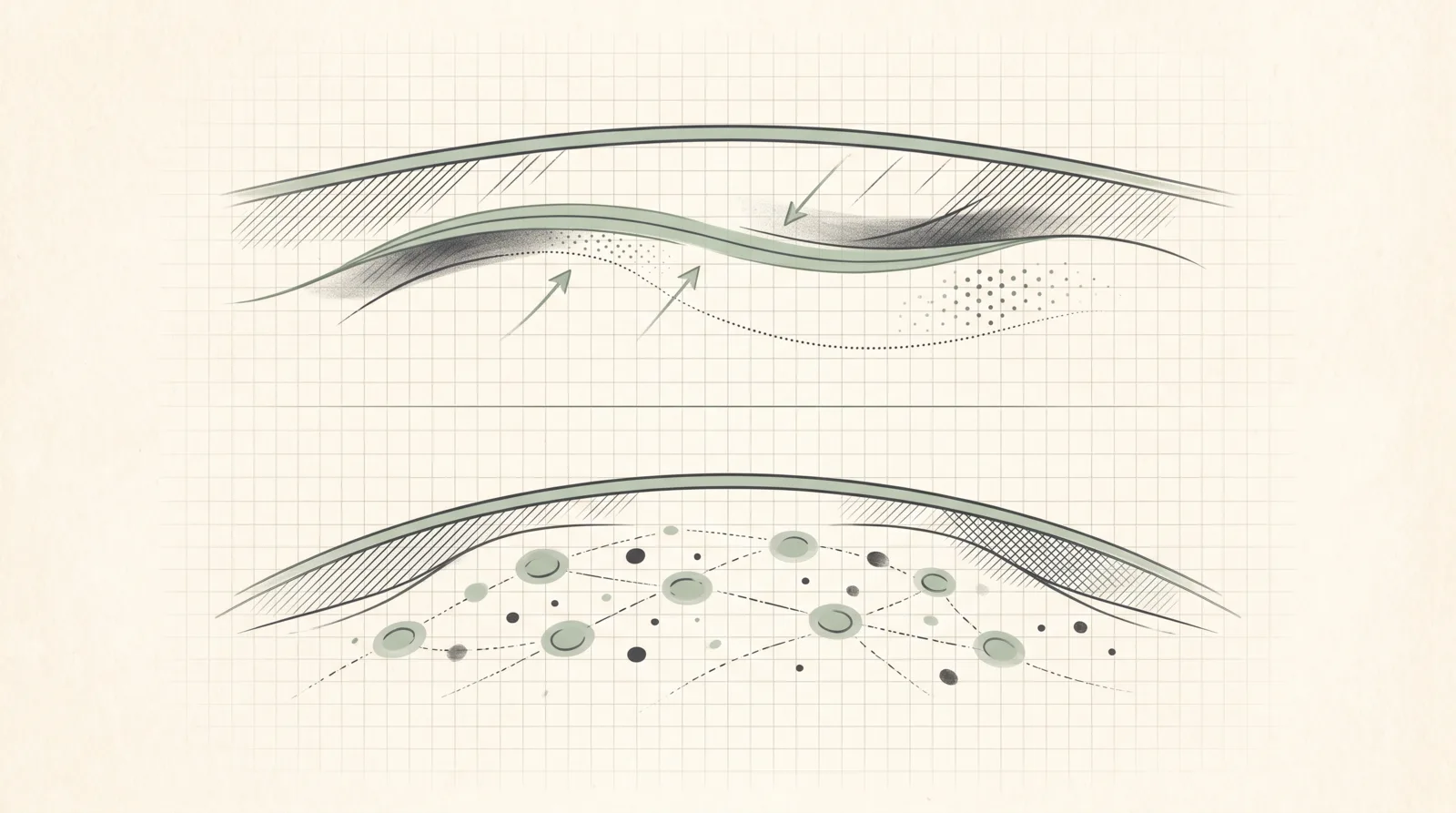
A scar is not assessed by colour alone. We consider texture, height, maturity, vascularity and the behaviour of the tissue. A flat, fully healed scar may be suitable for cosmetic assessment, while a red, raised, unstable or irritated area may require medical review or more time.
Scar tissue can retain pigment differently from surrounding skin. The first application therefore remains restrained, and the healed appearance is reviewed before another layer is considered. The goal is to reduce contrast; SMP cannot erase the scar or change its physical texture.
Scar camouflage focuses on the healed mark itself, whether it is a linear FUT scar, FUE dot scarring or another suitable cause. Inter-graft density focuses on visible scalp in the recipient area. Both needs can exist, but they are assessed separately so expectations remain precise.
A linear FUT scar, scattered FUE marks and a scar from another suitable cause create different contrast patterns. We view the mark together with the length and direction of surrounding hair, not only in an isolated close-up. Impression placement is adapted so the transition into normal skin does not create a new visible border.
If a scar is raised, indented or reflects light differently, pigment cannot change that physical property. Excessive intensity may emphasise rather than reduce the area. We distinguish visibility caused by colour contrast from visibility caused by texture so the expected change remains specific.
Scar tissue response cannot be predicted perfectly from the first session. We assess how tone was retained and whether the transition remains balanced before adding another layer. Decisions are based on the actual healed appearance, not on how intense the area looks immediately after application.
Confidential · No pressure
Send us a few details and we will guide you toward the right assessment for fue & fut scar camouflage.